

Teej: A Celebration of Devotion, Culture, and Sisterhood in Minnesota
The Teej festival, also known as Haritalika Teej, is one of the major festivals in Nepal. It is celebrated around the end of a rainy season with great fervor in Nepal. The festival is predominantly observed by women, who dress in vibrant red outfits, fast, and perform rituals to honor their marital bliss.

Teej has deep-rooted origins in Hindu mythology. It commemorates the day when Parvati reunited with Shiva after a prolonged period of penance and austerity. The festival symbolizes the dedication and devotion of Parvati towards her husband, which led to their divine union.
The most notable tradition of Teej is the fasting observed by women. The fast is rigorous, and some women abstain from both food and water for an entire day. On the day of Teej, women visit Shiva temples to offer prayers and perform rituals.
The day before the fasting begins is called ‘Dar Khane Din,’ where women come together to feast. This pre-fast celebration is marked by delicious food and joyous camaraderie, creating lasting memories.
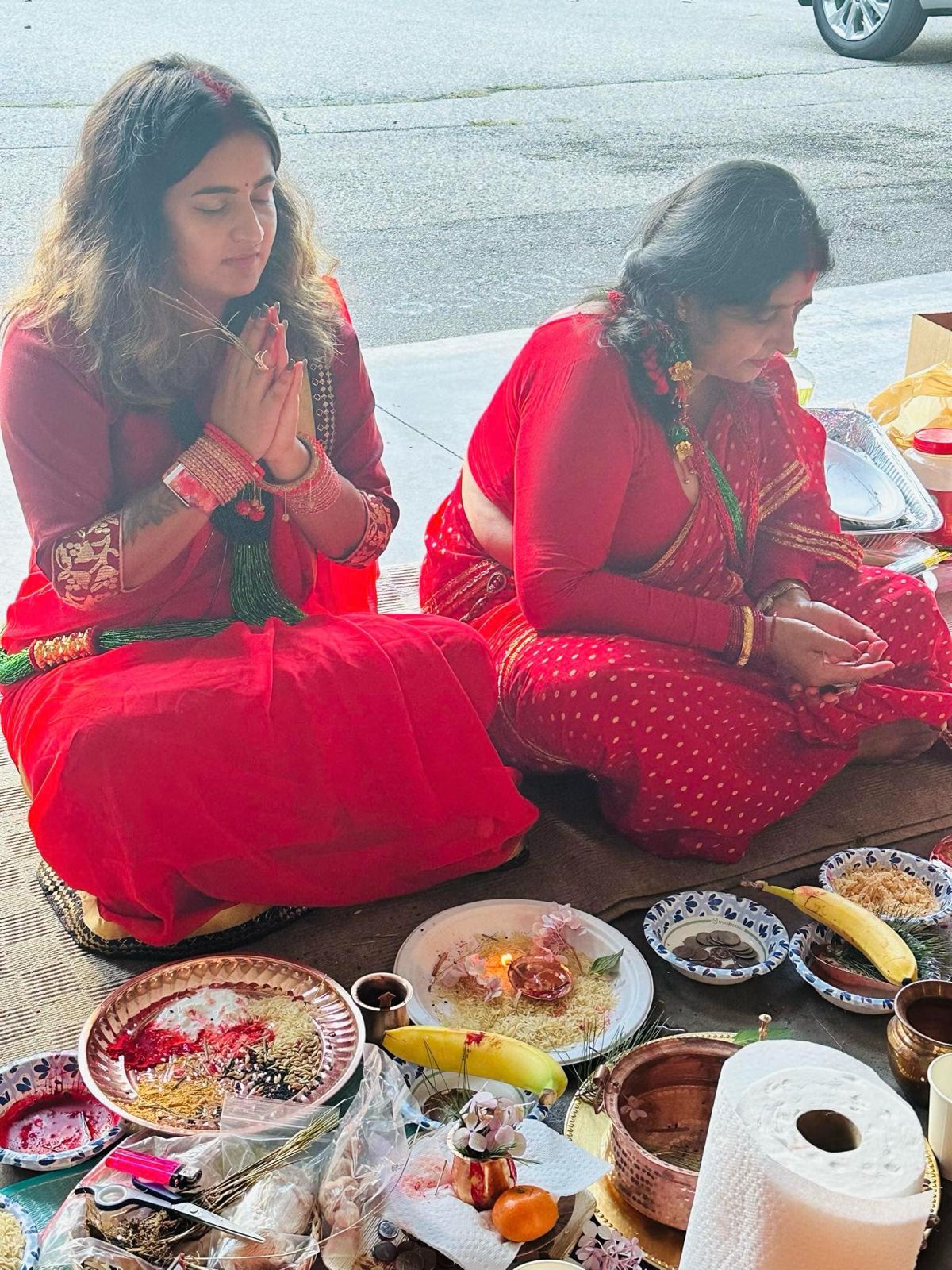


Teej is more than just a festival; it is a celebration of womanhood, devotion, and cultural heritage. It offers women an opportunity to come together, honor their relationships, and immerse themselves in the rich traditions of Hinduism. The festival of Teej continues to thrive in Nepal, reflecting the vibrant colors of its cultural and spiritual life.
Since the very inception, ANMN has been actively organizing and celebrating Teej within the Nepali community here in Minnesota. ANMN has organized Teej Dar Events and organized the Teej pooja every year to bring our members together to celebrate our culture and spread happiness towards our broader audiences.
Acknowledgement: The content of this post was written by Priest Yogesh Bhandari, for whom ANMN is grateful.